
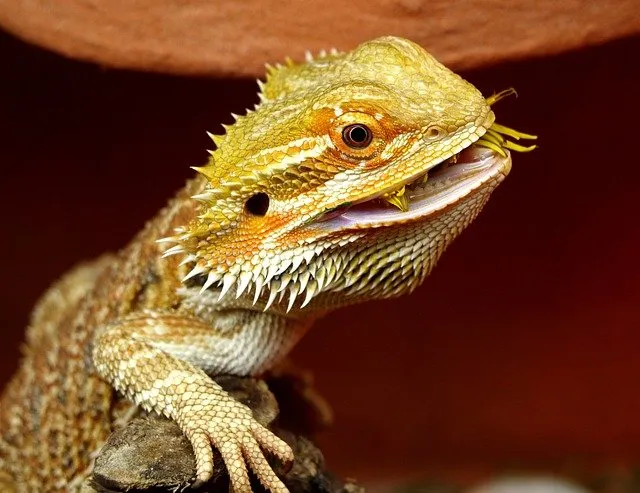
Dubia roaches are among the top feeder insects used for reptiles, amphibians, and insectivorous animals because they convert what they eat into high‑quality nutrition — especially protein — for the next link in the food chain. To maintain a thriving colony, it’s crucial to feed them a balanced diet. Below, you’ll find what to feed them (and what to avoid) so that your dubias stay healthy and your reptile gets the best possible nutrition.
Why Diet Matters: Nutrition & Health for Your Colony
- Dubia roaches raised on a diet with over 75% whole foods (vegetables, grains, greens) show more robust health and deliver better nutrition to your pets.
- Dubia roaches are prized for their relatively high protein content compared to many other feeder insects.
- However, too much protein (especially from animal sources) can be harmful. Excessive protein metabolizes into uric acid, which can accumulate and reduce the quality of the roaches as feeders.
What to Feed Dubia Roaches for a Healthy Colony
Here’s a breakdown of reliable food categories:
1. Commercial Roach Chow / Insect Feed
A high‑quality roach chow designed for dubia is a strong dietary base. These chows are formulated to include a mix of grains, vitamins, minerals, and moderate protein levels that support both growth and sustainability.
Dragon’s Diet’s Dubia Roach Chow, for example, includes yeast, barley, soybean meal, wheat bran, and alfalfa — all designed to support healthy roach metabolism and gut loading.
2. Vegetables & Leafy Greens
Vegetables help provide fiber, micronutrients, and moisture:
- Carrots, squash, zucchini, sweet potatoes
- Greens like kale, collard, spinach, Swiss chard
- Bell peppers, but in moderation
These foods help support general health, aid digestion, and help avoid nutritional deficiencies.
3. Fruits (In Moderation)
Fruits add hydration, natural sugars, and variety:
- Apples (without seeds), bananas, pears, mangoes
- Use sparingly because too much sugar can unbalance the diet
Avoid strongly acidic fruits (citrus, lemons) in large amounts.
4. Whole Grains & Dry Staples
Dry carbs and fiber sources help sustain the colony between fresh feedings:
- Rolled oats
- Wheat bran
- Whole grain bread (minimal, and caution with preservatives)
These staples fill in the gaps and provide energy for daily metabolism.
5. Supplemental Protein (Carefully)
While dubias naturally obtain some protein, supplemental sources can be used — but sparingly:
- Fish flakes, bee pollen, or mashed boiled egg yolk in small amounts
- Only occasional use; not a diet staple
Use extra caution: too much protein from animal sources stresses their excretory systems and can degrade feeder quality.
Hydration: How Dubias Stay Moist
Dubia roaches need moisture, but open water is dangerous for them (they drown easily). Here’s how to hydrate safely:
- Water crystals / gels: placed in shallow containers so roaches can drink without danger.
- Moist foods: many vegetables and fruits (e.g. cucumbers, melon, zucchini) supply water naturally.
- Avoid open water dishes: risk of drowning and promoting mold or bacterial growth.
- Light misting (if necessary): in dry climates you can mist the enclosure lightly, but don’t overdo it.
Breeder & Gut-Loading Considerations
If your goal is to breed dubia roaches or prepare them as feeders, a few tweaks help maximize outcome:
- Rich but balanced diet for breeders: increase nutrient density (but not protein overload) with more greens and nutritious chow.
- Gut loading 24–48 hours prior to feeding off: feed the roaches fresh, nutrient-dense produce and chow so your reptile gets maximum benefit.
- Avoid heavy protein during gut loading: use plant-based or balanced feeds, not meat or very high-protein sources.
- Variety matters: rotating vegetables, grains, and greens helps reduce nutrient blind spots.
Foods to Avoid (and Why)
To keep your colony safe and maintain healthy feeder quality, avoid:
- Citrus, onion, garlic, avocado: harmful or acidic for roaches.
- Meat, dairy, or processed human foods: spoil easily, promote mold, and overwhelm roach systems with excessive protein or salts.
- Overly sugary or salty snacks: degrade health and produce unintended imbalances.
- Moldy or spoiled food: always remove uneaten items within 24–48 hours.
Feeding Frequency & Tips
- Leave dry staple feed (chow/grains) constantly available.
- Offer fresh produce every 1–2 days; remove leftovers promptly.
- Watch for mold, slugging, or spoiled food—they can devastate colonies.
- Monitor population, reproduction, and mortality as indicators of diet health.
Dubia roaches will eat a wide range of foods, but for them to remain healthy and effective as feeders, their diet should be balanced and controlled. Focus on:
- A base of quality roach chow
- A rotation of fresh veggies and moderate fruits
- Occasional low‑risk protein supplementation
- Safe hydration methods
What your roaches eat influences what your reptiles will gain — especially protein and moisture. Prioritize a clean, sustainable diet, and your colony will reward you with vitality, reproduction, and optimal feeder insects.
Recent Comments