

If you’re a bearded dragon owner, you might wonder how these scaly friends can get parasites. Parasites are tiny creatures that live on or inside other animals. Any animal can get parasites, including your beardie.
Parasites are common in bearded dragons and can make them sick, so it’s important to know how they get them. (If you’d like to know what types of parasites plague bearded dragons, read our article The 4 Most Common Reptile Parasites.)
So how do bearded dragons get parasites? Let us count the ways! In this article, we will explore the main routes these unwanted guests take to infect our pet lizards. And, we’ll share with you 5 things you can do to keep those nasty little buggers away from your pets!
Read on to learn what you need to know to keep your bearded dragon healthy and parasite-free.
Table of Contents
How Do Bearded Dragons Get Parasites? 4 Factors to Consider
Their Environment
One common way bearded dragons get parasites is from their surroundings. In the wild, these lizards live in dry areas with lots of sand and rocks. This environment can have parasites waiting to hitch a ride on a passing dragon.
Even pet bearded dragons can pick up parasites from their tank if it’s not kept clean. Parasites can live in dirty substrate (the material on the bottom of the tank) or on decorations. When your dragon moves around or digs, it might come into contact with these parasites.
The Food They Eat
Another way bearded dragons get parasites is through what they eat. In the wild, they munch on insects, plants, and sometimes small animals. Any of these food sources could carry parasites.
For pet dragons, the risk often comes from live insects fed as treats. Crickets, mealworms, or other feeder insects might have parasites. If your dragon eats an infected insect, it can get parasites too.
When it comes to feeding your bearded dragon, dubia roaches are often a safer choice than crickets. Dubias are less likely to carry parasites, making them a healthier option for your scaly friend. Unlike crickets, dubia roaches are usually raised in cleaner conditions and don’t tend to eat each other, which reduces the spread of parasites. They’re also easier to gut-load with nutritious foods before feeding them to your dragon.
While no feeder insect is completely risk-free, many bearded dragon owners find that using dubia roaches helps lower the chance of their pet getting parasites from their food. If you’ve been wondering “how do bearded dragons get parasites” and whether there’s anything you can do to prevent it, switching your pets to dubia roaches for some of their meals could be a smart move.
Other Infected Reptiles
Bearded dragons can also get parasites from other lizards or reptiles. In the wild, this might happen when they share basking spots or water sources. For pets, it can occur if they’re housed with an infected dragon or if they’re in a tank that wasn’t properly cleaned after housing a sick lizard.
This is why it’s important to quarantine new bearded dragons before introducing them to others. It gives you time to check for parasites and treat them if needed.
Stress and Weak Immune System
While stress doesn’t directly cause parasites, it can make it easier for bearded dragons to get them. When dragons are stressed or have a weak immune system, they’re less able to fight off parasites.
Things that can stress a bearded dragon include:
- Moving to a new home
- Changes in their tank setup
- Incorrect temperature or lighting
- Not getting enough food or the right nutrients
A stressed or unhealthy dragon is more likely to get parasites when exposed to them.
Roadmap to Good Health: 5 Ways to PREVENT Parasites in Bearded Dragons
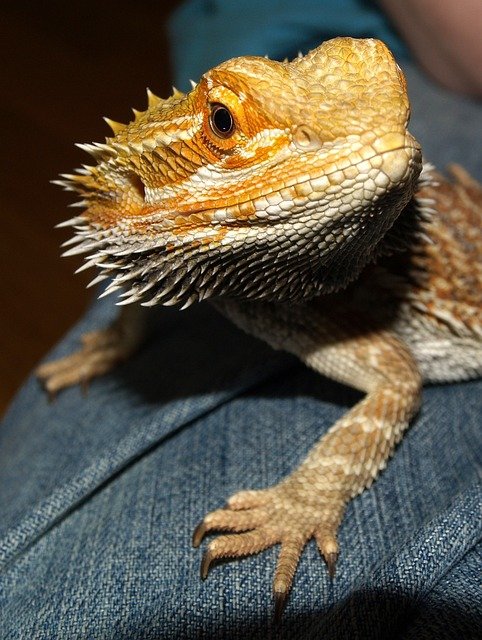
Now that we’ve answered the question, “how do bearded dragons get parasites?”, let’s talk about how to prevent them:
- Keep the tank clean: Regularly clean your dragon’s home to remove waste and potential parasites.
- Use safe food sources: Buy insects from reputable sellers and wash any fruits or veggies you feed your dragon. Avoid feeding wild insects as these are very often infested.
- Quarantine new pets: Keep new bearded dragons separate for a while to check for health issues.
- Reduce stress: Make sure your dragon has the right temperature, lighting, and diet to stay healthy.
- Regular vet check-ups: Take your bearded dragon to a reptile vet for check-ups to catch any issues early.
By following these steps, you can help keep your scaly friend bright-eyed and parasite free!
You Know What They Say About Prevention…
That old saying, “an ounce of prevention is worth a pound of cure” applies here 100% – including to the vet visit.
Remember, if you’ve been asking yourself “how do bearded dragons get parasites?” because you think your bearded dragon might have picked some up, this is not the time to leave it up to chance. Go talk to your vet. They can check for parasites and give the right treatment if needed. Yes, it costs a bit of time and money but think about how much you’ve already invested in your dragon – plus the emotional and financial cost of letting him get seriously ill without taking preventive action.
Knowing exactly how bearded dragons get parasites and following through with the preventive measures listed above will help your pet stay happy and healthy. With good care, your dragon can live a long, parasite-free life!
Recent Comments