
When it comes to bonding with pets, many people immediately think of affectionate cats, playful dogs, or even cuddly rabbits. But what about reptiles? While these cold-blooded creatures might not seem as emotionally connected as mammals, they too form deep bonds with their owners. In fact, reptiles can show affection in their own unique ways, building connections with those who care for them. Let’s dive into how and why reptiles connect with their owners, creating bonds that go beyond just feeding time.
1. Reptiles Can Form Emotional Connections
It’s easy to assume that reptiles are too distant or independent to form a bond with their owners. However, studies and observations suggest otherwise. According to The Reptile Room, many reptiles, including species like bearded dragons, geckos, and tortoises, can recognize their owners and respond to them in a way that suggests emotional attachment. These reptiles are not only capable of learning routines but can also associate their owners with positive experiences like food or comfort.
The emotional connections they form are often based on trust, which is built over time. Reptiles are not known for showing affection in the same ways as mammals, but they can display behaviors that indicate attachment. They may follow their owners around their enclosures, greet them at the front of the tank, or even engage in eye contact, which are all signs of familiarity and affection.
2. How Do Reptiles Show Affection?
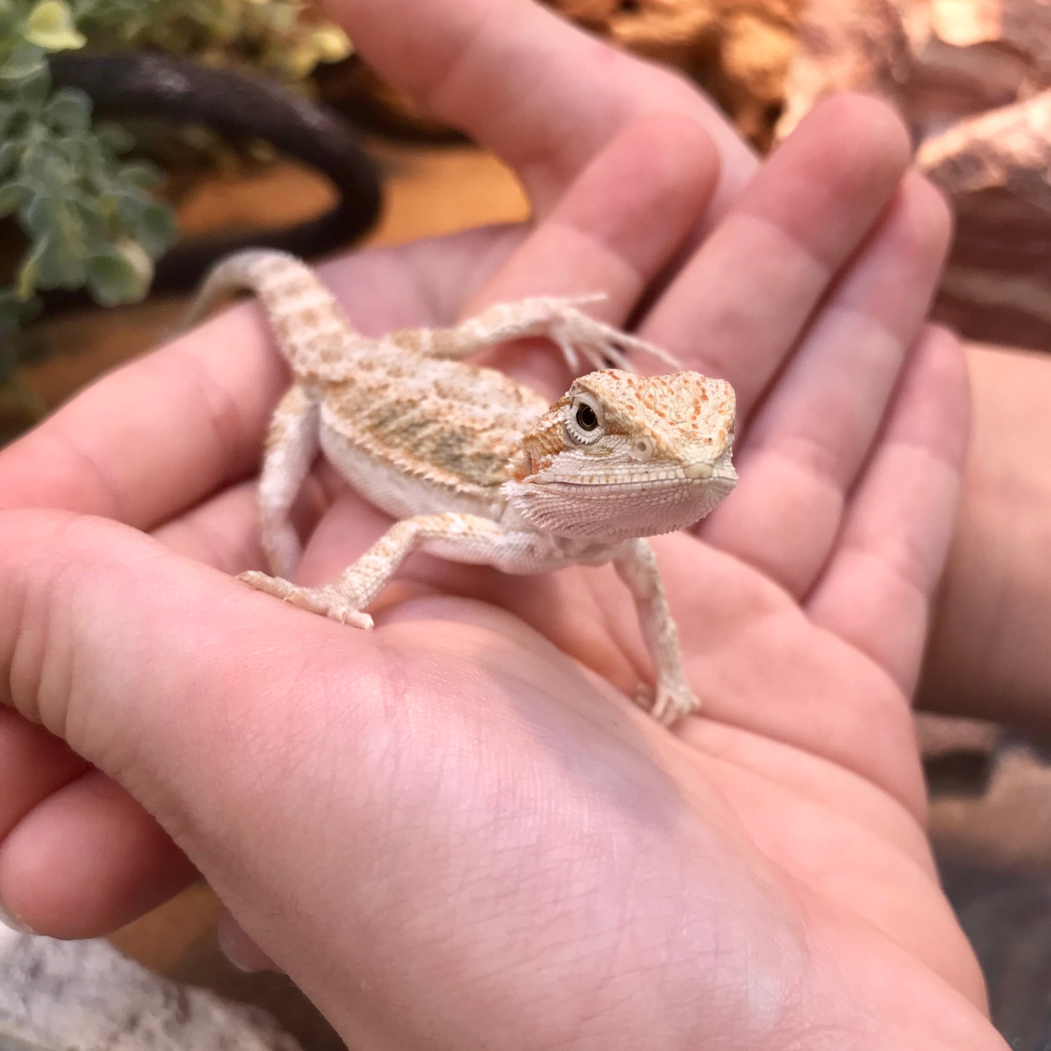
While reptiles do not engage in physical displays of affection like dogs or cats, they show their bond through more subtle behaviors. According to Adreena Pets, reptiles express affection in various ways, such as sitting on their owner’s lap or allowing gentle handling. In some species, reptiles like the bearded dragon will happily bask on their owner’s shoulder or body, which shows that they are comfortable and feel safe in their human’s presence.
For many reptiles, interactions that involve positive reinforcement, such as feeding or gentle petting, can build trust and affection. This is particularly evident in species that have been domesticated for years and have become more accustomed to human interaction. Tortoises, for instance, may seek out their owner’s company, and some even recognize their names or voices.
3. Bonding Through Routine and Care
Bonding with reptiles often takes time, patience, and consistency. Everything Reptilion explains that reptiles often thrive when they are placed in predictable environments, and regular routines help establish a sense of security. When an owner regularly feeds, cleans, and interacts with their reptile, the animal begins to associate the person with positive experiences, thus strengthening the bond.
In addition to routine care, reptiles that receive gentle, frequent handling may grow to recognize their owner’s scent and touch. For instance, some reptiles like bearded dragons are known to become more trusting and affectionate with time, actively seeking attention from their owners during playtime or handling sessions. This shows that with time, patience, and proper care, reptiles can form genuine emotional connections.
4. Why Do Reptiles Form Bonds with Their Owners?
The reason reptiles bond with their owners is multifaceted. Firstly, reptiles are creatures of habit and respond well to structured environments. When they feel safe and secure in their habitat, they are more likely to form attachments. Secondly, reptiles are often prey animals in the wild, so any interaction that involves trust, especially from humans, can be deeply significant for them. In their natural environment, trust is a rare commodity, so when a reptile feels comfortable enough to interact with humans, it can be seen as an emotional connection.
Additionally, reptiles like bearded dragons and geckos often engage in behaviors that mimic the warmth and safety they would seek in the wild. A human owner can fulfill this role by providing the warmth, security, and consistency these animals crave. Over time, the reptile begins to bond with the human as a source of comfort, care, and safety.
5. The Science of Reptilian Affection
Despite common misconceptions, reptiles are capable of social behaviors that go beyond basic survival instincts. Scientific research supports the idea that reptiles can exhibit forms of recognition and attachment, as seen in some pet reptile species. For example, The Reptile Room explains how bearded dragons are particularly social and can form lasting connections with their owners.
Reptiles’ brains may not be as complex as those of mammals, but they are still capable of learning and remembering their owners, especially when provided with consistent care and interaction. Their behavior can be seen as a form of bonding and emotional attachment, even if it manifests differently than with more traditional pets.
How do you show affection to your reptile? What are some distinct traits or behaviors that your cold-blooded companion exhibits to bond with you? Share your experiences and let us know how your reptile expresses its love!
References:
- The Reptile Room. (2023). Most Affectionate Reptiles. Retrieved from https://thereptileroom.net/most-affectionate-reptiles/
- Adreena Pets. (2023). How Do Reptiles Show Affection?. Retrieved from https://adreenapets.com/how-do-reptiles-show-affection/
- Everything Reptilion. (2023). Understanding the Bond Between Reptiles and Humans. Retrieved from https://everythingreptilion.com/understanding-the-bond-between-reptiles-and-humans/
Recent Comments