
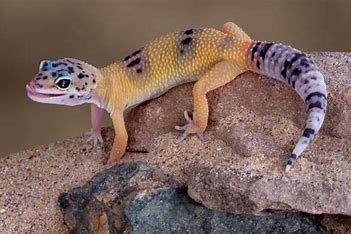
Feeding your leopard gecko a balanced and nutritious diet is crucial for its health and longevity. As insectivores, leopard geckos thrive on a variety of live insects that provide essential nutrients. Choosing the right feeder insects can ensure your pet remains healthy and active.
One of the most popular feeder insects is crickets, which are readily available and offer a good protein-to-fat ratio. Their active movement also stimulates your gecko’s natural hunting instincts. Dubia roaches are another excellent option, as they are rich in protein, easy to digest, and don’t produce noise or odor. Additionally, they can’t climb smooth surfaces, making them a convenient choice for feeding. Mealworms are another common staple, but due to their higher fat content and tough exoskeleton, they should be given in moderation to prevent obesity and digestive issues.
If you’re looking for a larger feeder, super worms are a great option, though they should be used as part of a varied diet rather than the primary food source. Black soldier fly larvae provide an excellent source of calcium, potentially reducing the need for additional supplementation, but their small size means you may need to offer multiple per feeding. Waxworms, on the other hand, should be considered a treat due to their high-fat content and should only be given sparingly.
The feeding schedule for your leopard gecko will depend on its age. Juveniles (0-6 months old) require daily feeding to support rapid growth. Sub-adults (6-12 months old) can be fed every other day as their growth slows down, while adults (12+ months old) should be fed 2-3 times per week to maintain their health without overfeeding.
To maximize your gecko’s nutrition, it’s important to gut-load feeder insects by feeding them a nutritious diet, such as leafy greens and carrots, 24-48 hours before offering them to your pet. Additionally, insects should be dust-coated with calcium powder before feeding, and a multivitamin supplement should be included once or twice a week to ensure your gecko receives all necessary vitamins and minerals.
While there are many safe and nutritious feeder insects, some should be avoided entirely. Fireflies are highly toxic and can be fatal if ingested. Wild-caught insects may carry parasites or pesticides that can harm your pet, and beetles have hard exoskeletons that can cause digestion issues.
Providing a varied diet, following appropriate feeding schedules, and ensuring proper supplementation are key to maintaining your leopard gecko’s health and vitality. At The Bug Shed, we offer high-quality feeder insects to keep your gecko happy and thriving. Check out our selection today and give your pet the best nutrition possible!
Recent Comments